


Homeowners ask for an average backyard remodel cost because they want a clean starting point. That's reasonable. But the one-number answer is mostly useless.
A flat Brentwood yard with a wide side gate and a new patio isn't the same job as an Orinda hillside with retaining walls, drainage work, a pool, and material that has to be carried in by hand. The square footage might look similar on paper. The construction won't.
So instead of chasing an average that ignores the property, look at the choices that actually move the budget. There are seven big ones.
1. Site Access Sets the Tone Before Design Starts
Access isn't a minor line on the plan. It controls what equipment can reach the yard, how debris leaves, where materials are staged, and how many hours are spent moving things by hand.
Picture two homes. One has a wide gate and a clear route to the backyard. The other has a narrow walkway, steps from the driveway, and no room for a loader. The second job may need smaller machines, more hand work, and a different construction sequence.
And access can limit design choices. A large precast element that looks perfect in a showroom doesn't help if it can't reach the yard. This is why an onsite visit comes before a serious proposal.
2. Grading and Drainage Aren't Optional
The finished yard has to move water away from the house, pool, walls, and outdoor rooms. If the existing grade sends water toward the foundation or collects it under a future patio, that problem belongs in the project budget.
Drainage work may include regrading, area drains, solid pipe, swales, wall drainage, downspout connections, or soil work. The right mix depends on the property. What matters is that it gets designed before concrete, pavers, planting, and structures block the easiest routes.
But don't cut this line to protect the visible finishes. Water doesn't care how good the tile looks. A project that skips the underlying work can cost more to repair than it saved.
3. A Pool or Spa Changes the Entire Construction Package
A custom pool isn't one item dropped into an empty rectangle. It brings excavation, steel, plumbing, electrical work, equipment, interior finish, coping, decking, permits, inspections, and safety requirements. Add an integrated spa, water feature, automatic cover, or app controls, and the system grows again.
The biggest mistake is designing the pool first and squeezing the rest of the yard around it. That often leaves thin walking paths, awkward furniture zones, or a grill area cut off from the house. Planning the pool, patio, planting, lighting, and outdoor rooms together gives every dollar a clearer purpose.
If a pool is part of the plan, review AJ's pool design and construction process before treating the pool shell as the whole project.
4. Structures Bring Utilities, Footings, and Details
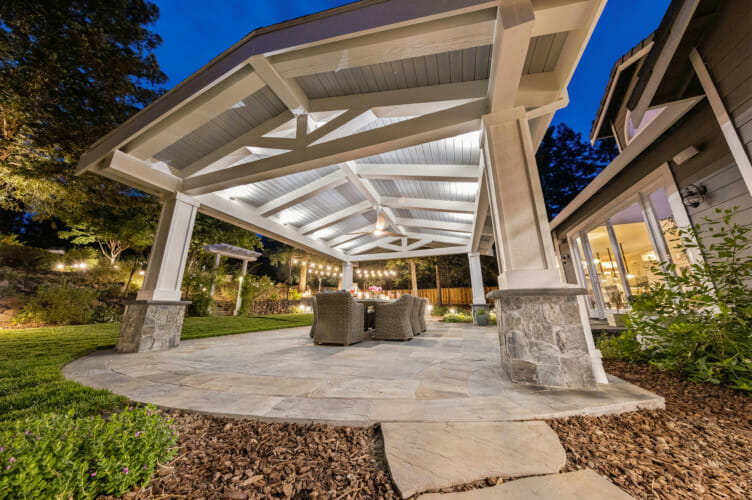
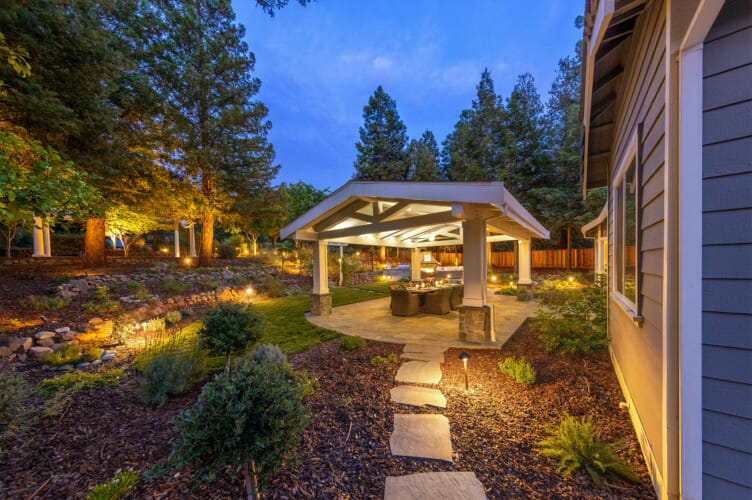
An outdoor kitchen, pergola, fireplace, or covered seating area can change how often the yard gets used. It can also add work that isn't obvious in the first inspiration photo.
A kitchen may need gas, power, water, drainage, task lighting, appliance clearances, and weather-ready storage. A shade structure needs footings, roof drainage, and sensible placement near doors, windows, and views.
So choose the function before the appliance package. Decide how many people cook, where guests stand, what gets stored outside, and whether the family needs a sink every day or only imagines using one. A smaller kitchen placed well can beat a giant island that blocks circulation.
5. Finish Choices Add Up Faster Than Most People Expect
Poured concrete, pavers, porcelain, and natural stone differ in cost, base preparation, installation, repair, and care. Compare the installed system, not one sample. Ask what sits underneath, how edges are handled, and what happens if a section needs repair.
6. Design Changes Are Cheapest Before Construction
Moving a fire pit in a 3D plan takes minutes. Moving it after gas lines and paving are installed is a change order. The same goes for stair widths, wall locations, appliance openings, lighting, and plant beds.
A detailed design gives the homeowner time to react before crews are waiting on a decision. It also lets the proposal account for finishes, fixtures, and site work with fewer mystery allowances.
And no, the goal isn't to remove every possible change. Homeowners will see things differently once the space takes shape. The goal is to settle the big decisions early so the changes that remain are choices, not corrections.
7. Phasing Can Save Cash or Waste It
Building in phases can be smart. It can also mean paying twice if the first phase blocks the second.
Say the patio comes first and the outdoor kitchen comes two years later. If gas, power, water, drainage, and conduit aren't planned during the patio work, the finished surface may have to be opened again. Or imagine installing planting before heavy pool equipment crosses the yard. That order won't end well.
A complete plan lets the team put underground work, access needs, and shared foundations in the right phase. Even when the wish list is built over time, the finished yard should feel like one idea.
A Better Way to Set the Budget
Don't begin with a catalog of features. Begin with three lists:
- Must-haves: the problems the project has to solve, such as drainage, safe steps, shade, or a usable dining area.
- Strong wants: features the family expects to use often, such as a pool, spa, fire pit, lawn, outdoor kitchen, or covered seating.
- Future ideas: items that can wait if the master plan protects space and utilities for them.
Then bring a working budget range to the design conversation. It doesn't have to be perfect. It does have to be honest. A good team can help match priorities to the site, show where complexity is hiding, and explain which choices are flexible.
Questions to Ask Before Comparing Proposals
- What demolition, hauling, protection, and site access work is included?
- Who is responsible for permits, engineering, HOA documents, and inspections?
- Are material selections fixed, or are they allowances that may change?
- How are drainage, utilities, irrigation, and lighting shown in the plan?
- How are client changes priced and approved?
- What schedule updates and warranty records will the homeowner receive?
A low total with vague scope isn't automatically a bargain. It may simply postpone decisions until construction, when the homeowner has less freedom and more pressure.
Backyard Remodel Cost Questions Homeowners Ask
Does a pool always become the largest part of the budget?
Often, but not always. Major walls, difficult access, drainage, and large structures can carry heavy costs even without a pool. The site and scope have to be reviewed together.
Can I lower the cost without making the yard feel cheap?
Yes. Keep the layout strong, reduce unnecessary square footage, use one or two focal materials, and phase features that don't require finished work to be removed later. Good proportions and circulation matter more than filling every corner.
Why can't I get a real price from photos alone?
Photos don't show grade, soil, drainage, utilities, access, code requirements, demolition, or the condition of what's already there. They can start the conversation. They can't replace a site visit and a defined scope.
Should I share my budget with the contractor?
Yes. Hiding it doesn't create a better deal. It makes it harder to know whether the design and the available money are moving in the same direction. Share a range and ask what that range can realistically cover on the property.
The Number Comes After the Plan Starts Making Sense
Backyard remodel cost isn't driven by one magic rate. It's driven by access, water, grade, structures, utilities, finishes, and the order in which the work gets built. Once those pieces are clear, the budget stops feeling like a guess and starts becoming a set of choices.
AJ's begins with an intake conversation and an onsite visit so the proposal can reflect the real property. Review how the process works, then gather your must-haves, strong wants, and future ideas.
When you're ready, complete the project intake form and tell us what you want the backyard to do for your family.

Comments (0)